Maryam Tabibzadeh Mahoutchian

Maryam Tabibzadeh Mahoutchian

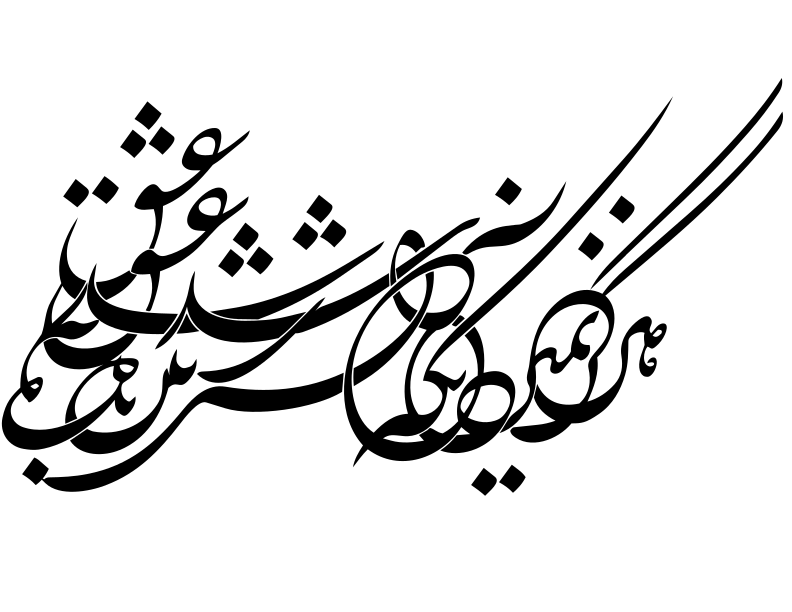
Persian calligraphy — the one that loves never dies

Weaving the threads of Persian history, geography, and poetry into literature across two languages

Works

Books

Eight books spanning two languages — historical fiction in English that brings Persia's greatest dynasties to life, Farsi works on geography, history, and poetry, and bilingual children's books for families raising children between two worlds.

Talks & Lectures

Lectures

Browse by Subject
  • All Lectures
  • Constitutional Revolution
  • Scholars & Poets
Constitutional Revolution & Democracy
01
Democracy and the Constitutional Revolution — Part I
Nov 30, 2022
The first in her series on the Constitutional Revolution — examining the democratic ideals at the heart of the movement and the poets and thinkers who gave them voice.
Constitutional Revolution
02
Democracy and the Constitutional Revolution — Part II
Nov 3, 2025
Continuing the series — the second session tracing the arc from the Constitutional Movement's ideals to the political realities that followed.
Constitutional Revolution
03
Democracy and the Constitutional Revolution — Sep 2025
Sep 10, 2025
A standalone lecture on democracy and the Constitutional Revolution, likely a combined overview of both parts. Note: may overlap with the Part I & II recordings above.
Constitutional Revolution
Persian Scholars & Poets
04
Lahuti: The Revolutionary Poet in Exile
Nov 30, 2022
Abulqasim Lahuti — poet, revolutionary, and exile — whose life traced the full arc of Iran's Constitutional era. A lecture on his poetry, his politics, and his enduring voice.
Persian Poets
05
Farrokhi Yazdi: The Poet Whose Lips Were Sewn Shut
Jun 7, 2023
The extraordinary life of Mirza Mohammad Farrokhi Yazdi — expelled at 15, imprisoned, exiled, and ultimately killed for his poetry. One of her most celebrated lectures.
Persian Poets
06
Ahmad Kasravi: Historian, Critic, Martyr — Part I
Apr 7, 2024
Ahmad Kasravi was one of Iran's most brilliant and controversial intellectuals — historian, linguist, and fierce critic of religious superstition. Assassinated in 1946, his ideas remain incendiary.
Persian Scholars
07
S. Hosseini: Voice of the Constitutional Era
Jul 15, 2024
A lecture on the life and poetry of S. Hosseini, one of the significant poetic voices of Iran's Constitutional Revolution period.
Persian Poets
08
Ahmad Kasravi: Historian, Critic, Martyr — Part II
Apr 14, 2025
The second session on Ahmad Kasravi — continuing the examination of his historical scholarship, his critique of Azeri Turkish nationalism, and the legacy of his thought in modern Iran.
Persian Scholars
🎬

Videos uploading to YouTube. Links will appear here as each lecture goes live. All recordings are from her Zoom lecture series, 2022–2025.

Scholarly Writing

Articles

Two major essays on the intellectual history of modern Iran — originally written in Farsi, translated here into English for the first time.

Englishفارسی

Farrokhi Yazdi: The Voice That Could Not Be Silenced

میرزا محمد فرخی یزدی — A life in poetry and resistance

Mirza Mohammad Farrokhi Yazdi was born in 1889 in the city of Yazd. He began writing poetry from a young age — and at fifteen, composed a poem criticizing England's colonial methods of educating Iranian children. The result: expulsion from the missionary school. The first two lines are cited as the cause:

"Satan's ideas have stolen religion from men's hands,
All the children have been led into the house of the Christian."

From the earliest stirrings of the Constitutional Movement, Farrokhi became a committed member of the Democratic Party in Yazd. In the spring of 1918, while other poets composed odes praising the local governor, Farrokhi read a poem at a gathering of freedom-seekers. At its end he declared: "You are a tyrant in the manner of Zahhak — you must abandon this way." The governor ordered Farrokhi's lips sewn shut with needle and thread, and had him thrown in prison. The newspapers gave him the title Lesān al-Mellat — "the tongue of the nation." His cellmate recalled asking whether the sewing was painful. Farrokhi answered: "Were my lips made of burlap, that they should be stitched?"

The Newspaper Storm

In 1921 in Tehran, Farrokhi founded the newspaper Tufan ("The Storm") — suppressed more than fifteen times. When shut down, he published under other mastheads, continuing to print his articles and poems. The paper was the voice of the laboring poor and the peasant.

Exile, Return, and Death

In 1930, Farrokhi escaped to Germany via Soviet Russia. A powerful minister later urged him to return, promising clemency. Farrokhi, who loved Iran with everything in him, returned. He was placed under surveillance, fell into poverty, and was eventually imprisoned. He died on October 16, 1939. The official cause was malaria — but a post-1941 prosecutor stated he was killed by an injection of air. His grave is unknown. His poetry endures.

میرزا محمد فرخی یزدی سال ۱۲۶۸ هجری شمسی در شهر یزد به دنیا آمد. وقتی در سن ۱۵ سالگی شعری در نقد روش‌های استعماری انگلیس سرود او را از مدرسه میسیونری اخراج کردند.

دین ز دست مردم برد، فکرهای شیطانی
جمله طفل خود بردند، در سرای نصرانی

فرخی در نوروز سال ۱۲۹۷ در مجمع آزادی‌خواهان یزد شعری خواند و خطاب به حاکم گفت: «مستبدی خوی ضحاکی است.» حاکم دستور داد دهانش را با نخ و سوزن دوختند. روزنامه‌های آن روزها عنوان «لسان الملّه» را به فرخی دادند. سرانجام پس از دو سال زندان در روز ۲۴ مهرماه ۱۳۱۸ درگذشت.

Englishفارسی

The Poets of the Constitutional Era and Reza Shah

شاعران مشروطه و رضا شاه — How the poets' visions became a nation's history

How close were the visions of Iran's Constitutional poets to the laws and changes enacted under Reza Shah? Some consider Reza Shah the father of modern Iran. Others called him an instrument of England. The truth is found not in political mythology but in the poetry itself.

What the Poets Wanted

Iraj Mirza placed his hopes in Sardar Sepah: "There is no trade, no industry, no road — there is no hope except in Sardar Sepah." He fiercely opposed the hijab and religious superstition. He died three months after Reza Shah came to power.

Mirzadeh Eshqi was among the first men in Iran to publicly defend women's rights. With his help, the Women's Patriotic Society staged Iran's first women's theater in 1924 — five thousand women attended. The clergy had it shut down. Eshqi was assassinated weeks later.

Bahar — poet, journalist, parliamentarian — initially attacked Reza Shah ferociously. But a decade later, surveying what had been built, he wrote poems of genuine praise: the empty treasury refilled, bandits subdued, roads laid, schools opened everywhere.

The Question of Credit

The reforms of the Reza Shah era were not invented by Reza Shah. They had been the explicit demands of Iranian intellectuals for decades. What he provided was the capacity to move against those who had frustrated every reform for a century. The ideas belonged to the poets. Their visions became Iran's reality through the accumulated pressure of a generation that refused to stop dreaming.

ببینیم که افکار شاعران زمان مشروطه و بعد آن چقدر به قوانینی که در زمان رضا شاه به وجود آمد نزدیک و یا دور است. من فکر می‌کنم رضا شاه مانند نادر شاه، یعقوب لیث و امیرکبیر باید مورد احترام قرار گیرد ولی پیشرفت ایران آن زمان را مدیون نه تنها او بلکه تمام افراد دولت‌های وی و روشنفکرانی می‌دانم که این آرزوها را پرورش دادند.

The Author

About Maryam

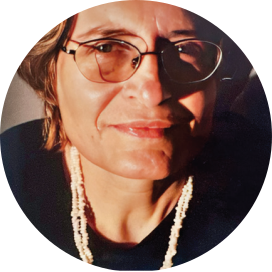
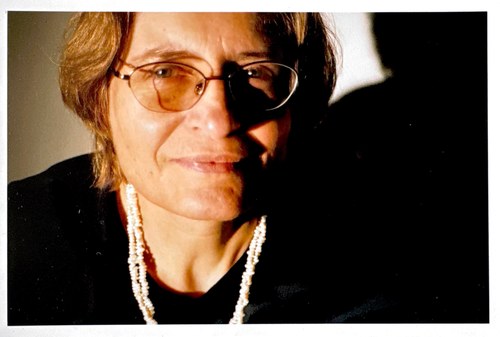
Maryam Tabibzadeh Mahoutchian, author and scholar

Maryam Tabibzadeh Mahoutchian

Maryam Tabibzadeh Mahoutchian was an Iranian-born writer, educator, and scholar whose work was devoted to Persian literature, history, culture, and the lives of women.

Born and raised in Darab, Fars, at a time when there was no high school for girls in her hometown, she built a life defined by education, perseverance, and intellectual curiosity. She earned her first master’s degree from Shiraz University and later a second master’s degree in computer science in the United States.

Over the course of her life, Maryam authored eight books and contributed to numerous literary publications in both Persian and English. Her writing reflects a deep love for Iran, a reverence for Persian poetry and history, and an enduring commitment to preserving cultural memory through language.

“Her stories were not merely fiction — they were an act of love toward a culture she carried within her wherever she went.”

In a full-circle act of generosity, she donated land in Darab for the creation of a girls’ school, helping open a path for future generations of young women in the very place where doors had once been closed to her.

This website is dedicated to preserving and sharing her literary legacy: her books, essays, ideas, and the enduring spirit of a woman who carried her homeland, her language, and her love of learning throughout her life.

  • M.A., Shiraz University
  • M.S. in Computer Science, United States
  • Author of eight books in Persian and English
  • Contributor to literary publications across two languages
  • Donor of land for a girls’ school in Darab, Fars
Maryam Tabibzadeh Mahoutchian
TYPE html> Maryam Tabibzadeh Mahoutchian — Author & Scholar
Maryam Tabibzadeh Mahoutchian

Maryam Tabibzadeh Mahoutchian

Persian calligraphy — the one that loves never dies

Weaving the threads of Persian history, geography, and poetry into literature across two languages

Works

Books

Eight books spanning two languages — historical fiction in English that brings Persia's greatest dynasties to life, Farsi works on geography, history, and poetry, and bilingual children's books for families raising children between two worlds.

Talks & Lectures

Lectures

Browse by Subject
  • All Lectures
  • Constitutional Revolution
  • Scholars & Poets
Constitutional Revolution & Democracy
01
Democracy and the Constitutional Revolution — Part I
Nov 30, 2022
The first in her series on the Constitutional Revolution — examining the democratic ideals at the heart of the movement and the poets and thinkers who gave them voice.
Constitutional Revolution
02
Democracy and the Constitutional Revolution — Part II
Nov 3, 2025
Continuing the series — the second session tracing the arc from the Constitutional Movement's ideals to the political realities that followed.
Constitutional Revolution
03
Democracy and the Constitutional Revolution — Sep 2025
Sep 10, 2025
A standalone lecture on democracy and the Constitutional Revolution, likely a combined overview of both parts. Note: may overlap with the Part I & II recordings above.
Constitutional Revolution
Persian Scholars & Poets
04
Lahuti: The Revolutionary Poet in Exile
Nov 30, 2022
Abulqasim Lahuti — poet, revolutionary, and exile — whose life traced the full arc of Iran's Constitutional era. A lecture on his poetry, his politics, and his enduring voice.
Persian Poets
05
Farrokhi Yazdi: The Poet Whose Lips Were Sewn Shut
Jun 7, 2023
The extraordinary life of Mirza Mohammad Farrokhi Yazdi — expelled at 15, imprisoned, exiled, and ultimately killed for his poetry. One of her most celebrated lectures.
Persian Poets
06
Ahmad Kasravi: Historian, Critic, Martyr — Part I
Apr 7, 2024
Ahmad Kasravi was one of Iran's most brilliant and controversial intellectuals — historian, linguist, and fierce critic of religious superstition. Assassinated in 1946, his ideas remain incendiary.
Persian Scholars
07
S. Hosseini: Voice of the Constitutional Era
Jul 15, 2024
A lecture on the life and poetry of S. Hosseini, one of the significant poetic voices of Iran's Constitutional Revolution period.
Persian Poets
08
Ahmad Kasravi: Historian, Critic, Martyr — Part II
Apr 14, 2025
The second session on Ahmad Kasravi — continuing the examination of his historical scholarship, his critique of Azeri Turkish nationalism, and the legacy of his thought in modern Iran.
Persian Scholars
🎬

Videos uploading to YouTube. Links will appear here as each lecture goes live. All recordings are from her Zoom lecture series, 2022–2025.

Scholarly Writing

Articles

Two major essays on the intellectual history of modern Iran — originally written in Farsi, translated here into English for the first time.

Englishفارسی

Farrokhi Yazdi: The Voice That Could Not Be Silenced

میرزا محمد فرخی یزدی — A life in poetry and resistance

Mirza Mohammad Farrokhi Yazdi was born in 1889 in the city of Yazd. He began writing poetry from a young age — and at fifteen, composed a poem criticizing England's colonial methods of educating Iranian children. The result: expulsion from the missionary school. The first two lines are cited as the cause:

"Satan's ideas have stolen religion from men's hands,
All the children have been led into the house of the Christian."

From the earliest stirrings of the Constitutional Movement, Farrokhi became a committed member of the Democratic Party in Yazd. In the spring of 1918, while other poets composed odes praising the local governor, Farrokhi read a poem at a gathering of freedom-seekers. At its end he declared: "You are a tyrant in the manner of Zahhak — you must abandon this way." The governor ordered Farrokhi's lips sewn shut with needle and thread, and had him thrown in prison. The newspapers gave him the title Lesān al-Mellat — "the tongue of the nation." His cellmate recalled asking whether the sewing was painful. Farrokhi answered: "Were my lips made of burlap, that they should be stitched?"

The Newspaper Storm

In 1921 in Tehran, Farrokhi founded the newspaper Tufan ("The Storm") — suppressed more than fifteen times. When shut down, he published under other mastheads, continuing to print his articles and poems. The paper was the voice of the laboring poor and the peasant.

Exile, Return, and Death

In 1930, Farrokhi escaped to Germany via Soviet Russia. A powerful minister later urged him to return, promising clemency. Farrokhi, who loved Iran with everything in him, returned. He was placed under surveillance, fell into poverty, and was eventually imprisoned. He died on October 16, 1939. The official cause was malaria — but a post-1941 prosecutor stated he was killed by an injection of air. His grave is unknown. His poetry endures.

میرزا محمد فرخی یزدی سال ۱۲۶۸ هجری شمسی در شهر یزد به دنیا آمد. وقتی در سن ۱۵ سالگی شعری در نقد روش‌های استعماری انگلیس سرود او را از مدرسه میسیونری اخراج کردند.

دین ز دست مردم برد، فکرهای شیطانی
جمله طفل خود بردند، در سرای نصرانی

فرخی در نوروز سال ۱۲۹۷ در مجمع آزادی‌خواهان یزد شعری خواند و خطاب به حاکم گفت: «مستبدی خوی ضحاکی است.» حاکم دستور داد دهانش را با نخ و سوزن دوختند. روزنامه‌های آن روزها عنوان «لسان الملّه» را به فرخی دادند. سرانجام پس از دو سال زندان در روز ۲۴ مهرماه ۱۳۱۸ درگذشت.

Englishفارسی

The Poets of the Constitutional Era and Reza Shah

شاعران مشروطه و رضا شاه — How the poets' visions became a nation's history

How close were the visions of Iran's Constitutional poets to the laws and changes enacted under Reza Shah? Some consider Reza Shah the father of modern Iran. Others called him an instrument of England. The truth is found not in political mythology but in the poetry itself.

What the Poets Wanted

Iraj Mirza placed his hopes in Sardar Sepah: "There is no trade, no industry, no road — there is no hope except in Sardar Sepah." He fiercely opposed the hijab and religious superstition. He died three months after Reza Shah came to power.

Mirzadeh Eshqi was among the first men in Iran to publicly defend women's rights. With his help, the Women's Patriotic Society staged Iran's first women's theater in 1924 — five thousand women attended. The clergy had it shut down. Eshqi was assassinated weeks later.

Bahar — poet, journalist, parliamentarian — initially attacked Reza Shah ferociously. But a decade later, surveying what had been built, he wrote poems of genuine praise: the empty treasury refilled, bandits subdued, roads laid, schools opened everywhere.

The Question of Credit

The reforms of the Reza Shah era were not invented by Reza Shah. They had been the explicit demands of Iranian intellectuals for decades. What he provided was the capacity to move against those who had frustrated every reform for a century. The ideas belonged to the poets. Their visions became Iran's reality through the accumulated pressure of a generation that refused to stop dreaming.

ببینیم که افکار شاعران زمان مشروطه و بعد آن چقدر به قوانینی که در زمان رضا شاه به وجود آمد نزدیک و یا دور است. من فکر می‌کنم رضا شاه مانند نادر شاه، یعقوب لیث و امیرکبیر باید مورد احترام قرار گیرد ولی پیشرفت ایران آن زمان را مدیون نه تنها او بلکه تمام افراد دولت‌های وی و روشنفکرانی می‌دانم که این آرزوها را پرورش دادند.

The Author

About Maryam

Maryam Tabibzadeh Mahoutchian, author and scholar

Maryam Tabibzadeh Mahoutchian

Maryam Tabibzadeh Mahoutchian was a scholar, storyteller, and cultural bridge — a writer whose life's work was to render the depth of Persian civilization legible to the world, and to return it, transformed, to her own people.

Born in Iran, Maryam grew up immersed in the country's layered history: its mountain passes and ancient cities, its poetry recited at the dinner table, its archives of conquest and flowering and loss. This intimacy with place became the animating force of everything she wrote. Geography, for her, was never neutral — it was where history lived in the body of the land.

"A country is not only what happened there. It is what the land made possible — and what the poets could not help but say."

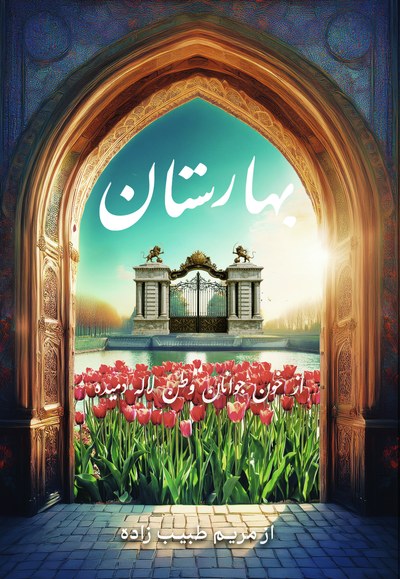
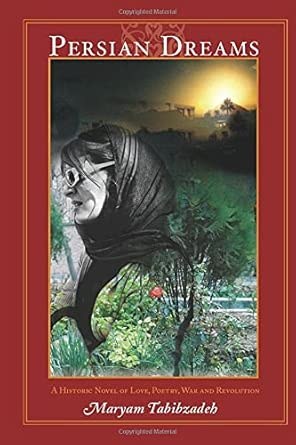
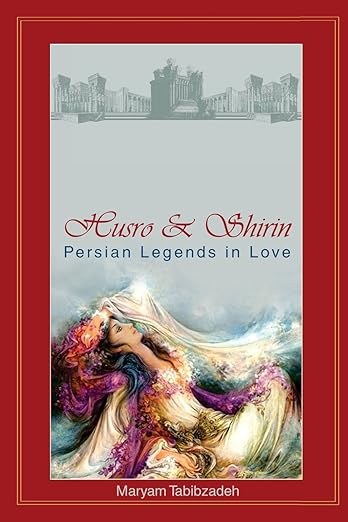
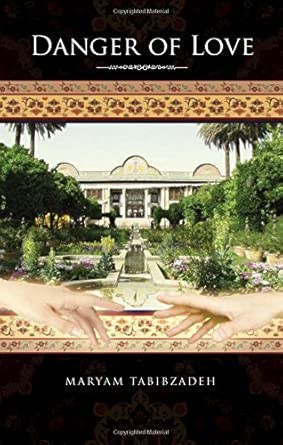
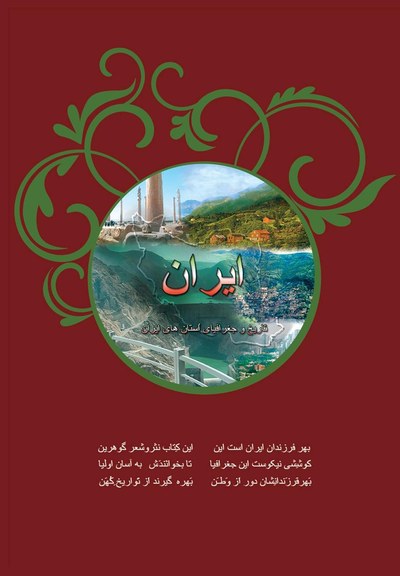
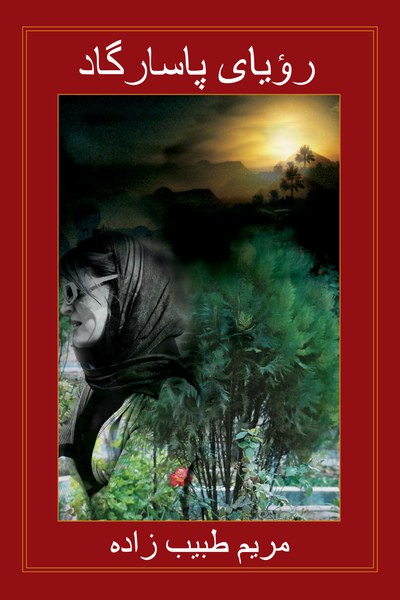
In English, she wrote historical fiction that plants readers inside the silks and stone of Persia's great dynasties. Her three English novels — Persian Dreams, Husro & Shirin, and Danger of Love — each take a different vantage on Iranian history. In Farsi she turned to scholarship and fiction: her geography of Iran's provinces, her novel Roya, and her poetry collection Baharestan — "The Garden of Spring" — whose subtitle, From the blood of the homeland's youth, tulips have bloomed, speaks to the entire arc of her life's work.

She was the author of eight books in English and Farsi. She leaves behind a body of work — and a generation of readers who found, in her pages, a way home.

  • Author of eight books in English and Farsi — historical fiction, poetry, geography, bilingual children's literature
  • Lecturer on Iranian history, the Constitutional Revolution, and the art of historical fiction
  • Scholar of Persian geography and the cultural landscape of Iran's provinces
  • Author of scholarly articles on Farrokhi Yazdi and the poets of the Constitutional Movement